
The Rise of the Human Advantage: The Skills AI Can’t Replace

Artificial intelligence is no longer a future concept — it is embedded in the way modern businesses operate. From automated claims processing in insurance to AI-powered resume screening in recruitment, technology is reshaping workflows, increasing efficiency, and redefining roles across industries.
Yet despite the constant narrative that “AI is taking over jobs,” the reality is more nuanced. AI is not eliminating the need for people. Instead, it is transforming what makes people valuable. As routine and process-driven tasks become automated, the skills that remain essential are the deeply human ones — the abilities machines cannot replicate.
This shift marks the rise of what can be called the human advantage: the combination of judgment, emotional intelligence, creativity, and leadership that distinguishes human professionals in an AI-enabled world.
AI Handles Tasks. Humans Handle Complexity.
AI thrives in structured environments. It processes data at scale, identifies patterns, flags inconsistencies, and executes repetitive processes with speed and accuracy. These strengths are revolutionizing industries that rely heavily on data and administration.
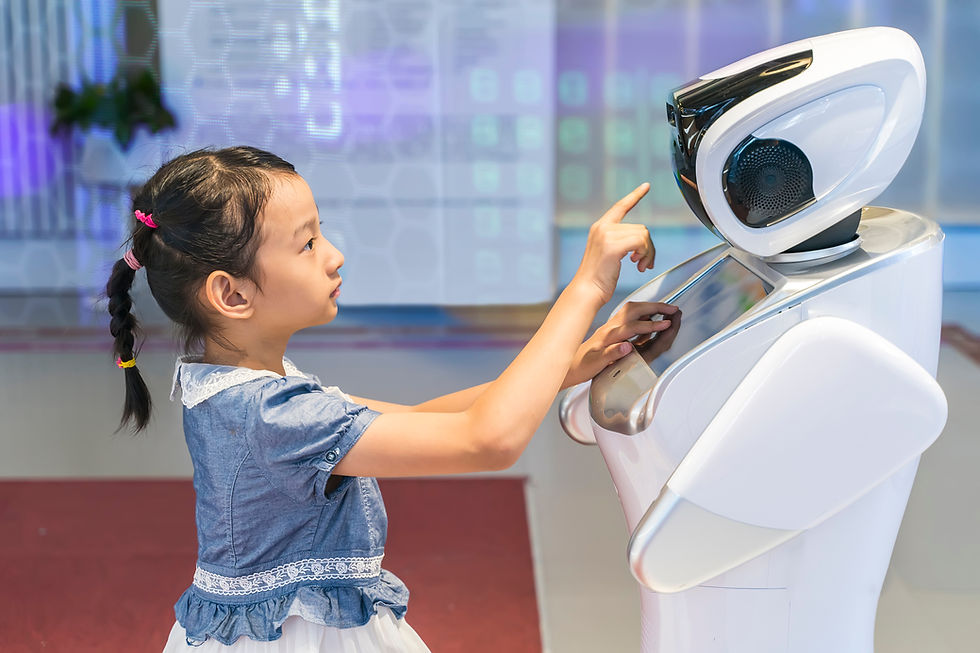
But workplaces are not just systems — they are networks of people, relationships, and complex decisions. AI can provide insights, but it does not truly understand context, consequences, or human dynamics.
As automation expands, many roles are shifting away from execution and toward:
Oversight
Interpretation
Decision-making
Relationship management
In other words, AI is taking on tasks, while humans are increasingly responsible for complexity.
The Skills AI Can’t Replace
1. Judgment and Critical Thinking
AI can present options, but it cannot take responsibility. In fields like insurance, legal services, and financial consulting, professionals must weigh risk, regulation, ethics, and long-term impact. These decisions often involve uncertainty and competing priorities.
Human judgment — shaped by experience, intuition, and accountability — remains irreplaceable. The professionals who stand out will not be those who rely blindly on technology, but those who can question AI outputs, identify limitations, and make informed decisions.
2. Relationship Building and Trust
Business still runs on trust.
Clients choose advisors they believe understand their needs. Candidates accept roles based on how they were treated during the hiring process. Teams succeed when collaboration is strong and communication is clear.
AI can automate emails, schedule meetings, and track engagement. It cannot build rapport, read emotional cues, or navigate sensitive conversations. Empathy, persuasion, and interpersonal awareness are becoming even more valuable as digital interaction increases.
In recruitment especially, the human connection remains critical. Matching skills on paper is not enough; understanding motivations, culture fit, and long-term potential requires human insight.
3. Creativity and Problem Framing
AI generates outputs based on patterns in existing data. Humans innovate by connecting unrelated ideas, challenging assumptions, and reframing problems.
Many of the challenges businesses face today — from adapting to regulatory shifts to restructuring teams — are not routine. They are new, evolving, and ambiguous. Creative thinking enables professionals to move beyond standard solutions and develop strategies that differentiate their organizations.
As routine work declines, roles increasingly center on solving complex, undefined problems — a space where human creativity leads.
4. Leadership and Influence
Technology does not manage change — people do.
Periods of technological disruption can create uncertainty within organizations. Employees look to leaders for direction, reassurance, and clarity. Leadership involves motivating teams, resolving conflict, and setting vision — all deeply human functions.
AI can provide performance dashboards and forecasts. It cannot inspire confidence or guide a team through transformation. Strong leadership is becoming more important, not less, in an AI-driven workplace.

The Shift in Hiring Priorities
As AI assumes more technical and administrative tasks, employers are re-evaluating what they seek in talent. Technical knowledge remains important, but it is no longer the sole differentiator.
Hiring decisions increasingly prioritize:
Adaptability
Communication skills
Emotional intelligence
Strategic thinking
Learning agility
Professionals who combine domain expertise with strong human capabilities are becoming the most in-demand. They can work effectively alongside AI tools while providing the insight and oversight machines lack.
The future of work is not about humans competing with AI — it is about humans complementing it. Automation will continue to expand, but the core drivers of business success remain human: judgment, relationships, creativity, and leadership.
For professionals, this means investing in skills that transcend specific tools or technologies. Software platforms will change. Human capabilities endure.
For employers, it means hiring not just for technical execution, but for the qualities that enable teams to navigate complexity, build trust, and make sound decisions.
AI may power the systems, but people drive the outcomes. In an era defined by artificial intelligence, the true competitive advantage lies in human intelligence.


Comments